Learn Iraqi with Farah
خلّي نتعلم عراقيkhalli nitʿallam ʿirāqiLet’s learn Iraqi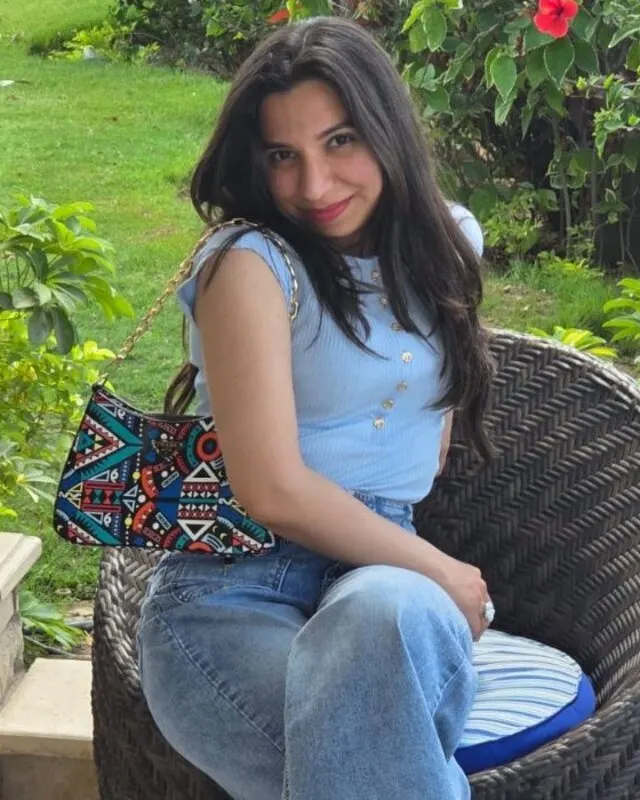
Meet the teacher
Hello! I'm Farah, your Iraqi dialect teacher and the voice behind the Learn Iraqi Podcast.
I created the podcast to give learners a structured and organized place to begin their journey of learning the Iraqi dialect. My goal is to help you have your first real conversations and make small talk, so I focus on the common questions, vocabulary, and verbs that you'll actually use in everyday life.
I started teaching one-to-one lessons in 2024. During my lessons, I focus not only on conversation but also on grammar and on helping you build your own sentences with confidence. So, goodbye to memorizing phrases, and hello to speaking creatively!
More about lessons
Learn Iraqi Podcast
27 episodesThe podcast episodes guide you through the Iraqi dialect by placing you in everyday situations and showing you how to communicate in each one. You'll start with greetings, learn how to ask someone where they're from, order at a café, and even make your way through the airport.
… and 24 more! Search for “Learn Iraqi Podcast” in your podcast app or click on any of these links to listen and enjoy your first conversations!
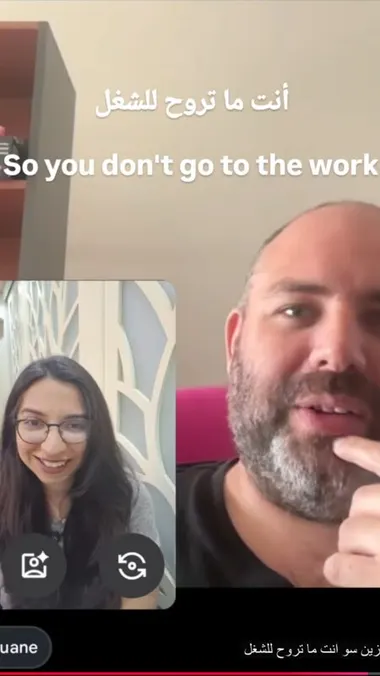
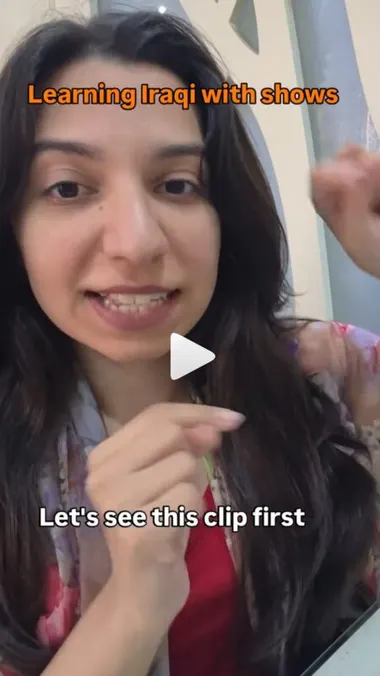
Short reels
For the real short attention spans!
Private lessons
Whether you work there, have relatives or friends, or have a partner/spouse and want to have conversations with your in-laws, or are just curious and want to dig deep into the Middle East languages and cultures, this is the right place to start.
How lessons work
Every learner is different, so that's how my lessons work:
- Personalized 60-minute lessons
- No previous knowledge required
- Reading, writing, and speaking
- Real-life conversations
- Learn at your own pace
What learners say
Love the interactive way of teaching which makes lessons not only effective but also fun. Every time I look forward to learning new vocabulary - both the practical stuff and the curious little details specific to the Iraqi dialect!
— Julia, Latvia
I’m so happy I found Farah! She is an excellent teacher - very professional, friendly and encouraging, and she speaks so clearly, which makes her easy to learn from.
Her lessons are very well structured and also tailored to the individual and what you want to achieve. I’m learning Iraqi Arabic with her to be able to speak with my husband and his family, and I really appreciate how she focuses on natural, conversational language and helps me understand how words and expressions are actually used. She has a fantastic knowledge of Arabic and often explains the origins of different words and the differences between dialects, which I find fascinating.
Farah also uses technology brilliantly in her lessons, including slides, pictures and a whiteboard, which makes everything very clear and engaging. She really understands the needs of language learners and creates such a comfortable environment to practise and ask questions.
I always look forward to my lessons and feel like I’m making real progress. I would absolutely recommend Farah to anyone wanting to learn Iraqi Arabic. I love learning with her!
— Maryam, UK
Farah’s lessons are highly recommended. She is patient, explains everything well, and is flexible with class times. I have already learned a lot thanks to her. After every lesson, I feel energized again thanks to Farah!
— Lenneke, Netherlands
Farah has been a fantastic teacher and I feel very lucky to be her student! Her lessons are fun, engaging, varied and tailored to me, the student. She is flexible (especially with time zone differences) and an excellent communicator. I would highly recommend her to anyone looking to learn a new language!
— Pedram, Australia
Book your lesson
You do not have to know Arabic to start with Iraqi Arabic. We can start from the absolute beginning, or if you already have a background, we can start from that and elevate your level. Or if you already know a lot and want to practice it, I will be more than happy to tutor you. Wherever you are in your Arabic journey, we'll start from there.
Some common questions
What is the difference between learning Modern Standard Arabic and Iraqi dialect?
Learning a language is always a beneficial thing, but you need to know your goal with it to keep you motivated. Modern Standard Arabic is a language that all Arabs understand, and it's used in media whether written or visual, but it isn't used in daily life. You'll never walk into a grocery shop and ask the seller “kayf ḥālak?How are you?”; you need to use his own dialect, like “shlōnak?How are you?” in Iraqi, “kīfak?How are you?” in the Levantine, or “izzayyak?How are you?” in Egyptian.
Not because people on the street can’t understand MSA, but it will be less natural, and you would not be able to blend in. Most importantly, if he answered you with “āni zēnI’m good”, you'd be confused, because the only answer you know is “ana bikhayrI’m fine”.
How similar is the Iraqi dialect to formal Arabic?
At the end of the day the Iraqi dialect Arabic is Arabic, so it has all the Arabic grammar, but as a spoken language, we like to simplify most of the difficult cases and some spellings, and this is a privilege for those who decided to learn a dialect, not the formal one.
The unique thing about Iraqi is that although it has most of its vocabulary from Arabic, it still borrows a lot from the neighbouring countries; that’s why it has some Farsi or Turkish and even some English words.
People with a formal Arabic background will find it so easy when starting to learn the Iraqi dialect. But people without this background can catch up too.
Who understands the Iraqi dialect?
The Iraqi dialect is not isolated from the area surrounding Iraq; a lot of people who speak Arabic understand the Iraqi dialect. You will be understood by all the Gulf people, the Levantines, and most Egyptians and the Arabs of Iran and maybe more.
Do all Iraqis speak the Iraqi dialect?
The Iraqi Arabic dialect is spoken by the majority of Iraqis, but it can be a second language to some people who speak Kurdish, Chaldean, Assyrian, or Turkmani as their first language, since there are a lot of ethnicities and religions in Iraq. Only a small percentage of people do not use it at all.